Hae Chang Seong — the only consultant at Authent Ed.
Three countries before college. Pre-med at St. Lawrence, immunology research at UVA, then a deliberate pivot back into the AP/IB classroom. Ten years teaching across four countries. This is the practice that came out of it.
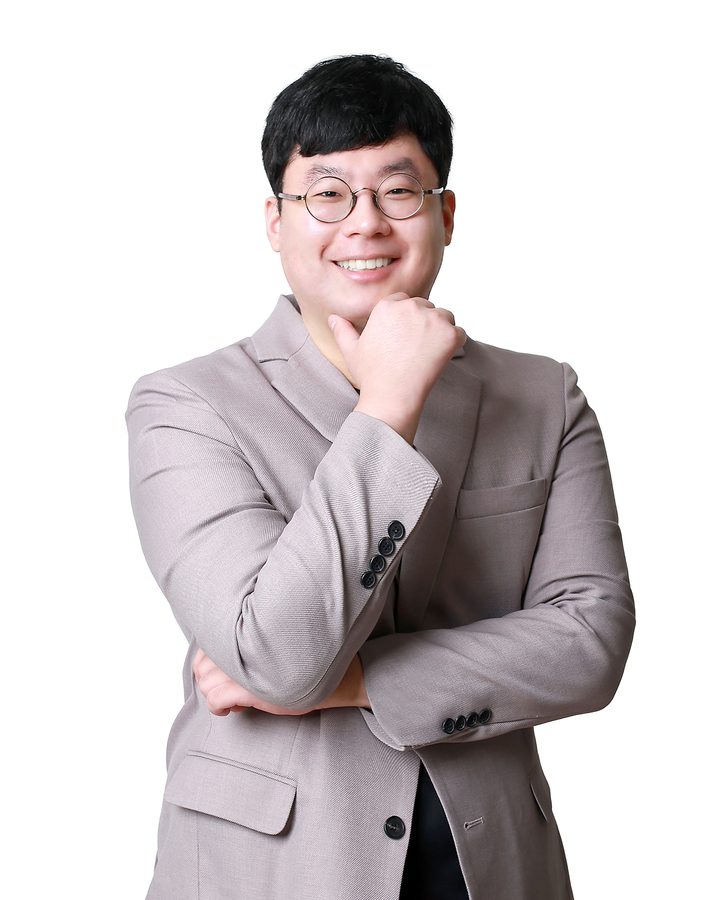
I grew up across three countries before college. India when I was small, then Poland, then back to Seoul through high school. I graduated from KIS Pangyo, one of Korea's largest international schools, in 2015. By that point I had already spent years teaching classmates through subjects they found difficult — what began as volunteer tutoring in middle school had become the part of school I most looked forward to.
At St. Lawrence University I followed the pre-med track. Dean's List, magna cum laude, immunology research at the University of Virginia. The plan was internally coherent. It had been the plan for years.
Then I worked for a year and a half, came back to Korea for mandatory military service, and somewhere in that stretch the certainty quietly dissolved. The pre-med path had been a destination I'd inherited rather than one I'd arrived at by genuinely asking who I was or what I wanted to build. The pivot was uncomfortable in the way important pivots tend to be — not dramatic, just honest.
I came out of military service knowing I wanted to teach, and that the teaching I cared about happened in a particular kind of room.
Back in Korea, I went into the AP and IB classroom — Math, Biology, Chemistry — through tutoring practices around the country. Ten years and four countries of teaching followed. The pattern I kept seeing was students chasing school names their parents approved of without ever stopping to explore what they actually cared about. In Korea, the name on the diploma is often treated as the finish line. But the world has shifted. Individual proof of value matters more now than institutional pedigree, and students who spend four years coasting on a brand name risk graduating without having built anything real.
Why the practice is one person.
Authent Ed exists because a one-on-one practice — small roster, the same person across every session — is the form that actually works for the kind of admissions counseling I think is worth doing. It is not a scaling problem; it is the work. A student should be able to think out loud with the same person from ninth grade through senior spring. Junior staff and "client success" middle layers are how agencies grow. They are also how the relationship gets thinner over time, and how the essays start to read like every other essay.
For a couple of years now I've also run an anonymous open chat on KakaoTalk — a place anyone can drop into to talk through whatever is weighing on them. Stress, family, identity, applications, none of it tied to my own roster. People show up, talk, and leave when they want. I'm finishing three private counseling certifications this spring, and a government-issued one later in the year — not because the certifications credential the work, but because better frameworks help me sit with those conversations more carefully.
What working together actually looks like.
We start with a free thirty-minute consultation. From there, if the fit is right, we agree on scope: course planning and college list for younger students; essays, list, and interview for seniors; sometimes all of it from ninth grade onward. Sessions are typically weekly. We meet in person in Pangyo when geography allows, and on video when it doesn't.
Every student gets me directly. There are no junior consultants to be passed off to. There is no "team." If you message me, I am the person who reads it and the person who writes back.
Book a free consultation →